Buy new-photos.com ?
We are moving the project
new-photos.com .
Are you interested in purchasing the domain
new-photos.com ?
domain@kv-gmbh.de · 0541-91531010
Buy new-photos.com ?
How can you convert photos from portrait to landscape orientation?
To convert photos from portrait to landscape orientation, you can use photo editing software such as Adobe Photoshop or GIMP. Open the photo in the software, then use the cropping tool to adjust the dimensions to a landscape orientation. You may need to crop out some parts of the original photo to fit the new orientation. Once you are satisfied with the new dimensions, save the photo in the landscape orientation. **
What is the difference between camera settings for landscape shots and portrait photos?
The main difference between camera settings for landscape shots and portrait photos is the aperture setting. For landscape shots, a smaller aperture (higher f-stop number) is typically used to achieve a larger depth of field and ensure that both the foreground and background are in focus. On the other hand, for portrait photos, a larger aperture (lower f-stop number) is often used to create a shallow depth of field, resulting in a blurred background that helps to emphasize the subject. Additionally, the focal length and composition may also vary between the two types of photography. **

Similar search terms for Taste
Top-Angebote
Products related to Taste:
-
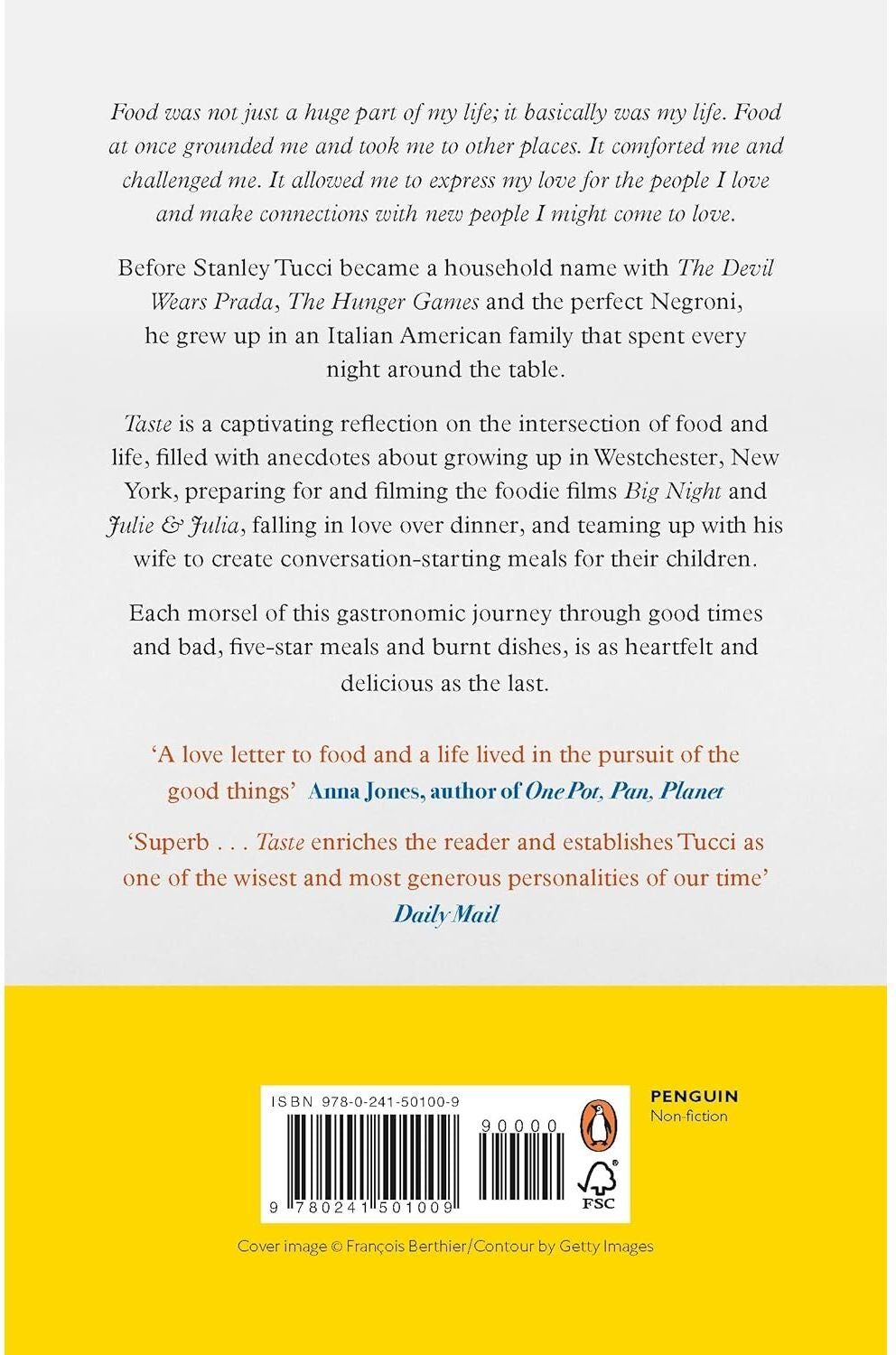
Fig Tree Taste : My Life Through Food by Stanley TucciTHE SUNDAY TIMES BESTSELLER From award-winning actor and food obsessive Stanley Tucci comes an intimate and charming memoir of life in and out of the kitchen. For Stanley and foodie fans, this is the perfect, irresistible gift. Before Stanley Tucci became a household name with The Devil Wears Prada, The Hunger Games, and his legendary Negronis, he grew up in an Italian American family that spent every night around he table. In Searching For Italy, he revealed his passion for the secrets and delights of the country's many cuisines. Now, he shares the magic of a lifetime of meals, and the stories behind them. Filled with anecdotes about growing up, shooting foodie films like Julie & Julia, falling in love across the table, and making dinner for his family, Taste is a reflection on the joys of food and life itself. Through five-star meals and burnt dishes, and from the good times to the bad, each morsel of this gastronomic journey is as heartfelt and delicious as the last.8,99 £*Shipping: 2,99 £Secure redirect to the provider
-
Counterart Absorbent Stone Coasters - Just A Little Taste - Set of 4 - 4x4x270Absorbent stone coaster with decorative print. Durable stoneware construction allows for continuous absorption of condensation. Made in the USA. Cork backing protects tabletops. Set of 4.25,49 $*Shipping: 0,00 $Secure redirect to the provider


-
For what purpose has nature developed the sense of taste?
Nature has developed the sense of taste as a way for organisms to determine the quality and safety of the food they consume. Taste allows organisms to distinguish between different types of food, such as sweet, sour, bitter, and salty, and helps them to identify potential sources of nutrients and energy. Additionally, taste also serves as a warning system, helping organisms to detect and avoid potentially harmful or toxic substances. Overall, the sense of taste plays a crucial role in helping organisms make informed decisions about what to eat in order to survive and thrive. **
-
Does water without taste taste sweet?
Water without taste does not taste sweet. Sweetness is a distinct taste sensation that comes from sugars or artificial sweeteners. Water is considered to be tasteless because it does not contain any flavor compounds that would give it a sweet taste. **
-
Why should one study landscape architecture?
Studying landscape architecture provides a unique opportunity to blend creativity with environmental sustainability and social impact. It allows individuals to design outdoor spaces that not only enhance the beauty of the environment but also improve the quality of life for communities. By studying landscape architecture, one can contribute to creating sustainable and resilient landscapes that address pressing issues such as climate change, urbanization, and biodiversity loss. Additionally, the field offers a diverse range of career opportunities in areas such as urban planning, environmental conservation, and landscape design. **
-
What is the difference between landscape architecture and landscape planning?
Landscape architecture focuses on the design and planning of outdoor spaces, including parks, gardens, and urban plazas, with a focus on aesthetics, functionality, and sustainability. Landscape architects often work on specific projects, creating detailed designs and plans for outdoor spaces. On the other hand, landscape planning is a broader field that involves the strategic and holistic planning of land use, natural resources, and environmental conservation. It encompasses the assessment, analysis, and management of landscapes at a larger scale, often involving multiple stakeholders and considering long-term impacts on the environment and communities. In summary, landscape architecture is more focused on the design and aesthetics of outdoor spaces, while landscape planning involves the strategic and comprehensive planning of land use and natural resources. **


How can you mix portrait and landscape videos?
To mix portrait and landscape videos, you can use video editing software to adjust the orientation of the videos. You can rotate the portrait videos to landscape orientation or vice versa to create a cohesive look. Additionally, you can use techniques such as adding borders or background images to seamlessly blend the different orientations together. Experimenting with different layouts and transitions can help you create a visually appealing video that combines both portrait and landscape footage. **
Which field of study do you prefer: Architecture or Landscape Architecture?
I prefer Landscape Architecture because I am drawn to the natural environment and the opportunity to create sustainable and beautiful outdoor spaces. I am passionate about incorporating elements of nature into design and creating spaces that promote well-being and harmony with the environment. Additionally, I appreciate the interdisciplinary nature of Landscape Architecture, which allows for a holistic approach to design that considers ecological, social, and aesthetic factors. **
Top-Angebote
Products related to Taste:
-
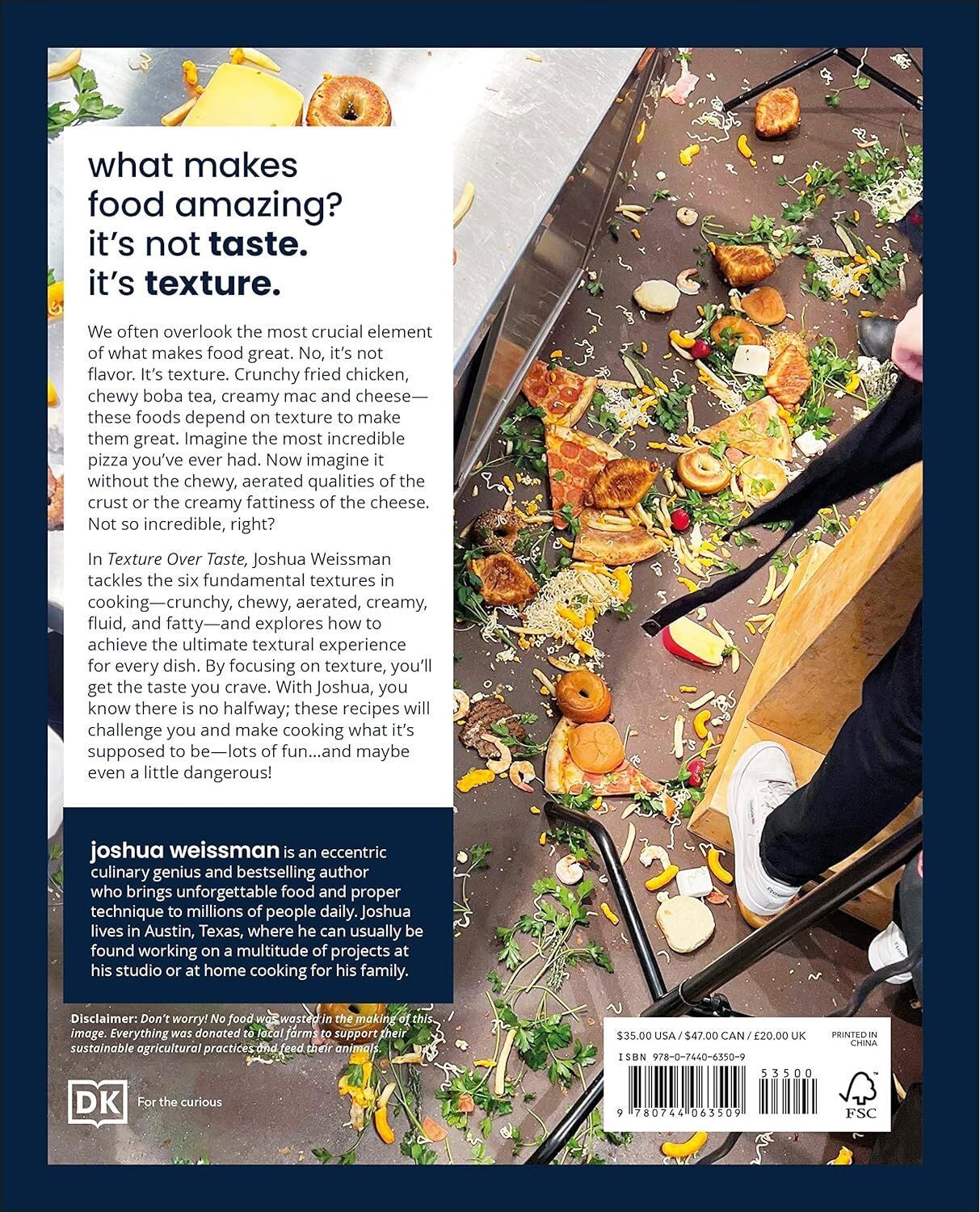
DK Joshua Weissman: Texture Over TasteNEW YORK TIMES BESTSELLER • Joshua Weissman is back with a bold and exciting new cookbook that will take your cooking to an entirely different level!Everyone knows flavor is important, right? But what's that secret sauce that turns eating into an unforgettable experience? It's the secret sauce that nobody seems to talk about enough—it's not flavor, it's texture! When flavor meets textures like creamy, chewy, or crunchy, the eating experience evolves into something entirely new and utterly fantastic. Flavor is one thing, but texture is what really makes the experience complete. In Joshua Weissman: Texture Over Taste, Joshua Weissman introduces you to the elements of flavor, then uses stories and fun visualizations to dive deeper and teach you about the six fundamental textures that create some of the greatest food experiences you'll ever enjoy. Joshua then explores each texture through over 75 spectacular recipes. In the "Crunchy" chapter, you'll learn how to make recipes like the most amazing fried chicken you've ever tasted, french fries (of course), and arancini. "Chewy" is where you'll discover recipes like his personal never-been-shared recipe for New York bagels, jjolmyeon (spicy chewy noodles), and brown sugar boba tea. "Aerated" features a cheese foam, challah bourbon french toast casserole, and a lighter-than-air glazed donut. "Creamy" is where you'll indulge in one-pound-of-butter mashed potatoes, perfectly baked mac and cheese, and decadent tres leches. In "Fluid" you'll dive into juicy birria tacos, diner-style milkshakes, and matzo ball soup. Finally, "Fatty" features a 72-hour short rib with coffee caramel, hamachi crudo, and a Texas toast smashburger. Each chapter opens with an irreverent introduction to the featured texture that explains how it impacts flavor, written from the unique perspective that only Joshua can provide. With Joshua Weissman, there is no compromising; he'll challenge you to think about cooking and food in an entirely different way. You'll experience cooking exactly as it's supposed to be—fun and maybe even a little dangerous!9,99 £*Shipping: 2,99 £Secure redirect to the provider
-
Novica Handmade Tigers Taste Celadon Ceramic MugThis celadon ceramic mug features an intricate, hand-painted tiger design on an unglazed portion of the mug, which makes it stand out. The crackled glaze adds a beautiful texture to Thai artisan Duangkamol's stunning piece of functional art.115,58 $*Shipping: 0,00 $Secure redirect to the provider
-
How can you convert photos from portrait to landscape orientation?
To convert photos from portrait to landscape orientation, you can use photo editing software such as Adobe Photoshop or GIMP. Open the photo in the software, then use the cropping tool to adjust the dimensions to a landscape orientation. You may need to crop out some parts of the original photo to fit the new orientation. Once you are satisfied with the new dimensions, save the photo in the landscape orientation. **
-
What is the difference between camera settings for landscape shots and portrait photos?
The main difference between camera settings for landscape shots and portrait photos is the aperture setting. For landscape shots, a smaller aperture (higher f-stop number) is typically used to achieve a larger depth of field and ensure that both the foreground and background are in focus. On the other hand, for portrait photos, a larger aperture (lower f-stop number) is often used to create a shallow depth of field, resulting in a blurred background that helps to emphasize the subject. Additionally, the focal length and composition may also vary between the two types of photography. **
-
For what purpose has nature developed the sense of taste?
Nature has developed the sense of taste as a way for organisms to determine the quality and safety of the food they consume. Taste allows organisms to distinguish between different types of food, such as sweet, sour, bitter, and salty, and helps them to identify potential sources of nutrients and energy. Additionally, taste also serves as a warning system, helping organisms to detect and avoid potentially harmful or toxic substances. Overall, the sense of taste plays a crucial role in helping organisms make informed decisions about what to eat in order to survive and thrive. **
-
Does water without taste taste sweet?
Water without taste does not taste sweet. Sweetness is a distinct taste sensation that comes from sugars or artificial sweeteners. Water is considered to be tasteless because it does not contain any flavor compounds that would give it a sweet taste. **
Similar search terms for Taste
-
Fig Tree Taste : My Life Through Food by Stanley TucciTHE SUNDAY TIMES BESTSELLER From award-winning actor and food obsessive Stanley Tucci comes an intimate and charming memoir of life in and out of the kitchen. For Stanley and foodie fans, this is the perfect, irresistible gift. Before Stanley Tucci became a household name with The Devil Wears Prada, The Hunger Games, and his legendary Negronis, he grew up in an Italian American family that spent every night around he table. In Searching For Italy, he revealed his passion for the secrets and delights of the country's many cuisines. Now, he shares the magic of a lifetime of meals, and the stories behind them. Filled with anecdotes about growing up, shooting foodie films like Julie & Julia, falling in love across the table, and making dinner for his family, Taste is a reflection on the joys of food and life itself. Through five-star meals and burnt dishes, and from the good times to the bad, each morsel of this gastronomic journey is as heartfelt and delicious as the last.8,99 £*Shipping: 2,99 £Secure redirect to the provider
-
Counterart Absorbent Stone Coasters - Just A Little Taste - Set of 4 - 4x4x270Absorbent stone coaster with decorative print. Durable stoneware construction allows for continuous absorption of condensation. Made in the USA. Cork backing protects tabletops. Set of 4.25,49 $*Shipping: 0,00 $Secure redirect to the provider
-
iSpring F3WGB31BPFKDS Water Filter Pack, SGS-Tested, Reduces PFAS, Scale, Heavy Metals, Chlorine, Corrosion, Taste & OdorEssential Replacement for WGB31B-PFKDS – This 3-stage PFAS water filter replacement set is specially designed for the iSpring WGB31B-PFKDS whole house water filtration system. Ideal for treating well water, city water, or any whole-home water setup.356,99 $*Shipping: 0,00 $Secure redirect to the provider
-
Why should one study landscape architecture?
Studying landscape architecture provides a unique opportunity to blend creativity with environmental sustainability and social impact. It allows individuals to design outdoor spaces that not only enhance the beauty of the environment but also improve the quality of life for communities. By studying landscape architecture, one can contribute to creating sustainable and resilient landscapes that address pressing issues such as climate change, urbanization, and biodiversity loss. Additionally, the field offers a diverse range of career opportunities in areas such as urban planning, environmental conservation, and landscape design. **
-
What is the difference between landscape architecture and landscape planning?
Landscape architecture focuses on the design and planning of outdoor spaces, including parks, gardens, and urban plazas, with a focus on aesthetics, functionality, and sustainability. Landscape architects often work on specific projects, creating detailed designs and plans for outdoor spaces. On the other hand, landscape planning is a broader field that involves the strategic and holistic planning of land use, natural resources, and environmental conservation. It encompasses the assessment, analysis, and management of landscapes at a larger scale, often involving multiple stakeholders and considering long-term impacts on the environment and communities. In summary, landscape architecture is more focused on the design and aesthetics of outdoor spaces, while landscape planning involves the strategic and comprehensive planning of land use and natural resources. **
-
How can you mix portrait and landscape videos?
To mix portrait and landscape videos, you can use video editing software to adjust the orientation of the videos. You can rotate the portrait videos to landscape orientation or vice versa to create a cohesive look. Additionally, you can use techniques such as adding borders or background images to seamlessly blend the different orientations together. Experimenting with different layouts and transitions can help you create a visually appealing video that combines both portrait and landscape footage. **
-
Which field of study do you prefer: Architecture or Landscape Architecture?
I prefer Landscape Architecture because I am drawn to the natural environment and the opportunity to create sustainable and beautiful outdoor spaces. I am passionate about incorporating elements of nature into design and creating spaces that promote well-being and harmony with the environment. Additionally, I appreciate the interdisciplinary nature of Landscape Architecture, which allows for a holistic approach to design that considers ecological, social, and aesthetic factors. **
* All prices are inclusive of VAT and, if applicable, plus shipping costs. The offer information is based on the details provided by the respective shop and is updated through automated processes. Real-time updates do not occur, so deviations can occur in individual cases. ** Note: Parts of this content were created by AI.