Buy new-photos.com ?
We are moving the project
new-photos.com .
Are you interested in purchasing the domain
new-photos.com ?
domain@kv-gmbh.de · 0541-91531010
Buy new-photos.com ?
How do you exit the Knife Tool in Blender?
To exit the Knife Tool in Blender, you can simply press the Esc key on your keyboard. This will cancel the current operation and return you to the regular selection mode. Alternatively, you can also complete the cut you are making by left-clicking to confirm the placement of the cut, and then press Enter to exit the Knife Tool. **
What is the purpose of this tool on the pocket knife?
The purpose of the tool on the pocket knife is to provide additional functionality and versatility. It allows the user to perform a variety of tasks such as opening cans, bottles, or packages, tightening screws, or cutting through materials. This tool adds value to the pocket knife by making it a multi-functional and practical tool for everyday use. **
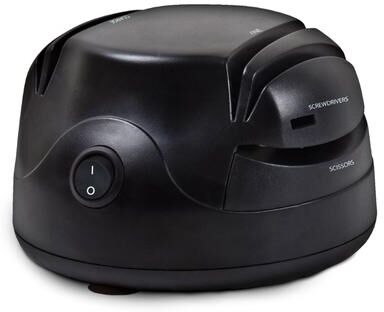

Similar search terms for Brentwood-Knife-and-Tool
Top-Angebote
Products related to Brentwood-Knife-and-Tool:
-
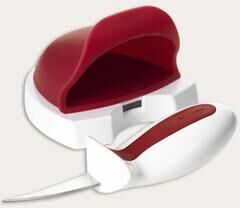
Zyliss Oyster Tool and Knife Set ShuckerThe Zyliss Oyster Tool helps you shuck oysters quickly while keeping hands safe. The specialty designed stainless steel blade opens oyster safely and easily while preserving oyster liquor and features a non-slip handle with protective guard.24,95 $*Shipping: 0,00 $Secure redirect to the provider
-
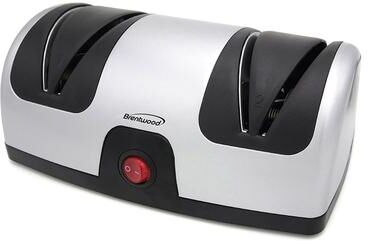
Brentwood TS-1001 2-Stage Electric Knife SharpenerUse the Brentwood TS-1001 2-Stage Electric Knife Sharpener to turn any of your dull kitchen or sports knives razor sharp in just seconds. Two stage sharpening includes reshaping the blade profile followed by polishing the edge for effortless slicing.63,49 $*Shipping: 0,00 $Secure redirect to the provider
-
PRiME Balisong Butterfly Trainer Knife Practice Tool, Safe Metal Black Silver Flip Knife For Beginners & Gifting Balisong Butterfly Trainer Knife Practice Tool, Safe Metal Black Silver Flip Knife For Beginners & GiftingMaster the art of flipping without risk using this highquality Butterfly Trainer Knife Practice Balisong Dull Training Tool Metal Black Silver. Built for safety, performance, and durability, this trainer is the ideal tool for beginners and...39,97 $*Shipping: 0,00 $Secure redirect to the provider


-
What is your recommendation for a rescue knife, rescue tool, or multitool?
My recommendation for a rescue tool would be the Leatherman Raptor. It is a high-quality, versatile multitool designed specifically for emergency situations. It features a variety of essential tools such as a seatbelt cutter, a ring cutter, a glass breaker, and a versatile folding design that makes it easy to carry and use in a variety of situations. The Leatherman Raptor is a reliable and durable tool that is trusted by first responders and emergency professionals. **
-
How can I sharpen a knife without having a sharpening stone or similar tool available?
If you don't have a sharpening stone or similar tool available, you can still sharpen a knife using alternative methods. One option is to use the bottom of a ceramic mug or the unglazed bottom of a ceramic plate. Simply hold the mug or plate upside down and run the blade of the knife along the unglazed edge at a 20-degree angle. Another option is to use the rough bottom of a ceramic coffee mug to sharpen the knife in a similar manner. Additionally, you can also use a leather belt or a piece of denim to strop the blade and remove any burrs, which can help to improve the knife's sharpness. **
-
What is the difference between camera settings for landscape shots and portrait photos?
The main difference between camera settings for landscape shots and portrait photos is the aperture setting. For landscape shots, a smaller aperture (higher f-stop number) is typically used to achieve a larger depth of field and ensure that both the foreground and background are in focus. On the other hand, for portrait photos, a larger aperture (lower f-stop number) is often used to create a shallow depth of field, resulting in a blurred background that helps to emphasize the subject. Additionally, the focal length and composition may also vary between the two types of photography. **
-
With which tool do I draw a portrait on canvas?
You can draw a portrait on canvas using various tools such as pencils, charcoal, pastels, or paintbrushes. The choice of tool depends on the style and effect you want to achieve in your portrait. For example, pencils and charcoal are great for creating detailed and precise lines, while pastels can add softness and texture to the portrait. If you prefer to work with colors, you can use paintbrushes and acrylic or oil paints to create a vibrant and expressive portrait on canvas. **

Why is a knife called a knife and not a cutter?
A knife is called a knife because it has a specific name that has been used for centuries to refer to a tool with a sharp blade used for cutting or stabbing. The term "knife" has a long history and is deeply ingrained in language and culture. On the other hand, the term "cutter" is more generic and can refer to a variety of tools or devices used for cutting, making it less specific than the term "knife." **
What is the difference between landscape architecture and landscape planning?
Landscape architecture focuses on the design and planning of outdoor spaces, including parks, gardens, and urban plazas, with a focus on aesthetics, functionality, and sustainability. Landscape architects often work on specific projects, creating detailed designs and plans for outdoor spaces. On the other hand, landscape planning is a broader field that involves the strategic and holistic planning of land use, natural resources, and environmental conservation. It encompasses the assessment, analysis, and management of landscapes at a larger scale, often involving multiple stakeholders and considering long-term impacts on the environment and communities. In summary, landscape architecture is more focused on the design and aesthetics of outdoor spaces, while landscape planning involves the strategic and comprehensive planning of land use and natural resources. **
Top-Angebote
Products related to Brentwood-Knife-and-Tool:
-
Zyliss Oyster Tool and Knife Set ShuckerThe Zyliss Oyster Tool helps you shuck oysters quickly while keeping hands safe. The specialty designed stainless steel blade opens oyster safely and easily while preserving oyster liquor and features a non-slip handle with protective guard.24,95 $*Shipping: 0,00 $Secure redirect to the provider
-
How do you exit the Knife Tool in Blender?
To exit the Knife Tool in Blender, you can simply press the Esc key on your keyboard. This will cancel the current operation and return you to the regular selection mode. Alternatively, you can also complete the cut you are making by left-clicking to confirm the placement of the cut, and then press Enter to exit the Knife Tool. **
-
What is the purpose of this tool on the pocket knife?
The purpose of the tool on the pocket knife is to provide additional functionality and versatility. It allows the user to perform a variety of tasks such as opening cans, bottles, or packages, tightening screws, or cutting through materials. This tool adds value to the pocket knife by making it a multi-functional and practical tool for everyday use. **
-
What is your recommendation for a rescue knife, rescue tool, or multitool?
My recommendation for a rescue tool would be the Leatherman Raptor. It is a high-quality, versatile multitool designed specifically for emergency situations. It features a variety of essential tools such as a seatbelt cutter, a ring cutter, a glass breaker, and a versatile folding design that makes it easy to carry and use in a variety of situations. The Leatherman Raptor is a reliable and durable tool that is trusted by first responders and emergency professionals. **
-
How can I sharpen a knife without having a sharpening stone or similar tool available?
If you don't have a sharpening stone or similar tool available, you can still sharpen a knife using alternative methods. One option is to use the bottom of a ceramic mug or the unglazed bottom of a ceramic plate. Simply hold the mug or plate upside down and run the blade of the knife along the unglazed edge at a 20-degree angle. Another option is to use the rough bottom of a ceramic coffee mug to sharpen the knife in a similar manner. Additionally, you can also use a leather belt or a piece of denim to strop the blade and remove any burrs, which can help to improve the knife's sharpness. **
Similar search terms for Brentwood-Knife-and-Tool
-
Brentwood TS-1001 2-Stage Electric Knife SharpenerUse the Brentwood TS-1001 2-Stage Electric Knife Sharpener to turn any of your dull kitchen or sports knives razor sharp in just seconds. Two stage sharpening includes reshaping the blade profile followed by polishing the edge for effortless slicing.63,49 $*Shipping: 0,00 $Secure redirect to the provider
-
PRiME Balisong Butterfly Trainer Knife Practice Tool, Safe Metal Black Silver Flip Knife For Beginners & Gifting Balisong Butterfly Trainer Knife Practice Tool, Safe Metal Black Silver Flip Knife For Beginners & GiftingMaster the art of flipping without risk using this highquality Butterfly Trainer Knife Practice Balisong Dull Training Tool Metal Black Silver. Built for safety, performance, and durability, this trainer is the ideal tool for beginners and...39,97 $*Shipping: 0,00 $Secure redirect to the provider
-
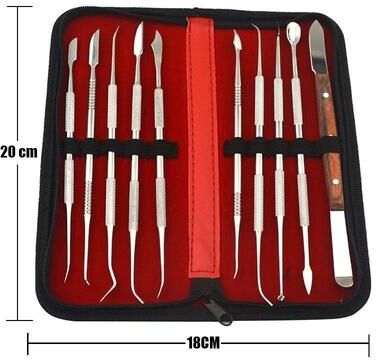
Uplift Essentials Stainless Steel Dental Wax Carving Tool Set With Plaster Knife And Spatula For Precision Work Stainless Steel Dental Wax Carving Tool Set With Plaster Knife And Spatula For Precision WorkCreate cleaner, more detailed dental work with this stainless steel dental wax carving tool set designed for precision shaping, carving, and fine adjustments. With 10 different tool styles, it includes dental spatulas, plaster knives, and detailed...59,97 $*Shipping: 0,00 $Secure redirect to the provider
-
All Categories Goods Dragon Butterfly Trainer Stainless Steel Knife For Practice Safe Training Tool For Beginners And Pros Dragon Butterfly Trainer Stainless Steel Knife For Practice Safe Training Tool For Beginners And ProsLooking to perfect your butterfly knife flipping skills The Dragon Butterfly Trainer is designed for safe, effective practice, allowing you to hone your moves without the risk of injury. Made with durable stainless steel, this training tool is...43,97 $*Shipping: 0,00 $Secure redirect to the provider
-
What is the difference between camera settings for landscape shots and portrait photos?
The main difference between camera settings for landscape shots and portrait photos is the aperture setting. For landscape shots, a smaller aperture (higher f-stop number) is typically used to achieve a larger depth of field and ensure that both the foreground and background are in focus. On the other hand, for portrait photos, a larger aperture (lower f-stop number) is often used to create a shallow depth of field, resulting in a blurred background that helps to emphasize the subject. Additionally, the focal length and composition may also vary between the two types of photography. **
-
With which tool do I draw a portrait on canvas?
You can draw a portrait on canvas using various tools such as pencils, charcoal, pastels, or paintbrushes. The choice of tool depends on the style and effect you want to achieve in your portrait. For example, pencils and charcoal are great for creating detailed and precise lines, while pastels can add softness and texture to the portrait. If you prefer to work with colors, you can use paintbrushes and acrylic or oil paints to create a vibrant and expressive portrait on canvas. **
-
Why is a knife called a knife and not a cutter?
A knife is called a knife because it has a specific name that has been used for centuries to refer to a tool with a sharp blade used for cutting or stabbing. The term "knife" has a long history and is deeply ingrained in language and culture. On the other hand, the term "cutter" is more generic and can refer to a variety of tools or devices used for cutting, making it less specific than the term "knife." **
-
What is the difference between landscape architecture and landscape planning?
Landscape architecture focuses on the design and planning of outdoor spaces, including parks, gardens, and urban plazas, with a focus on aesthetics, functionality, and sustainability. Landscape architects often work on specific projects, creating detailed designs and plans for outdoor spaces. On the other hand, landscape planning is a broader field that involves the strategic and holistic planning of land use, natural resources, and environmental conservation. It encompasses the assessment, analysis, and management of landscapes at a larger scale, often involving multiple stakeholders and considering long-term impacts on the environment and communities. In summary, landscape architecture is more focused on the design and aesthetics of outdoor spaces, while landscape planning involves the strategic and comprehensive planning of land use and natural resources. **
* All prices are inclusive of VAT and, if applicable, plus shipping costs. The offer information is based on the details provided by the respective shop and is updated through automated processes. Real-time updates do not occur, so deviations can occur in individual cases. ** Note: Parts of this content were created by AI.