Buy new-photos.com ?
We are moving the project
new-photos.com .
Are you interested in purchasing the domain
new-photos.com ?
domain@kv-gmbh.de · 0541-91531010
Buy new-photos.com ?
Does this planet belong to humans or to nature?
The concept of ownership is subjective and varies depending on cultural, philosophical, and ethical perspectives. From a human-centric viewpoint, it may be argued that the planet belongs to humans as we have the ability to shape and manipulate the environment to suit our needs. However, from an ecological perspective, the planet belongs to nature as it is the source of all life and sustains the delicate balance of ecosystems. Ultimately, the planet is a shared space that humans and nature coexist within, and it is our responsibility to act as stewards of the environment to ensure its health and sustainability for future generations. **
How can you convert photos from portrait to landscape orientation?
To convert photos from portrait to landscape orientation, you can use photo editing software such as Adobe Photoshop or GIMP. Open the photo in the software, then use the cropping tool to adjust the dimensions to a landscape orientation. You may need to crop out some parts of the original photo to fit the new orientation. Once you are satisfied with the new dimensions, save the photo in the landscape orientation. **
Similar search terms for Planet
Top-Angebote
Products related to Planet:
-
Lonely Planet Turkey Travel Guide – Istanbul, Top Attractions & Travel CollectionLonely Planet Turkey is your passport to the most relevant, up-to-date advice on what to see and skip, and what hidden discoveries await you. Bath in a hammam; explore chaotic and colourful bazaars; or hot air balloon over Cappadocia's honeycomb landscape -all with your trusted travel companion. Get to the heart of Turkey and begin your journey now12,45 £*Shipping: 2,99 £Secure redirect to the provider
-
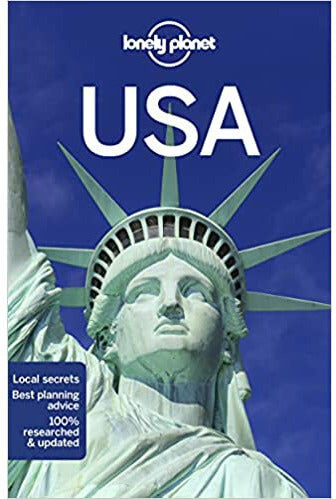
Lonely Planet USA (Travel Guide) by Isabel Albiston, Mark BakerLonely Planet's USA is your passport to the most relevant, up-to-date advice on what to see and skip, and what hidden discoveries await you. Gaze into the mile-deep chasm of the Grand Canyon, hang ten on an iconic Hawaiian wave, and let sultry southern music and food stir your soul - all with your trusted travel companion. Get to the heart of the USA and begin your journey now! Inside Lonely Planet's USA: NEW pull-out, passport-size 'Just Landed' card with Wi-Fi, ATM and transportation info - all you need for a smooth journey from airport to hotel Colour maps and images throughout Highlightsand itineraries help you tailor your trip to your personal needs and interests Insider tips to save time and money and get around like a local, avoiding crowds and trouble spots Essential infoat your fingertips - hours of operation, phone numbers, websites, transit tips, prices Honest reviews for all budgets - eating, sleeping, sightseeing, going out, shopping, hidden gems that most guidebooks miss Cultural insights give you a richer, more rewarding travel experience - history, people, music, landscapes, wildlife, cuisine, politics13,49 £*Shipping: 2,99 £Secure redirect to the provider
-
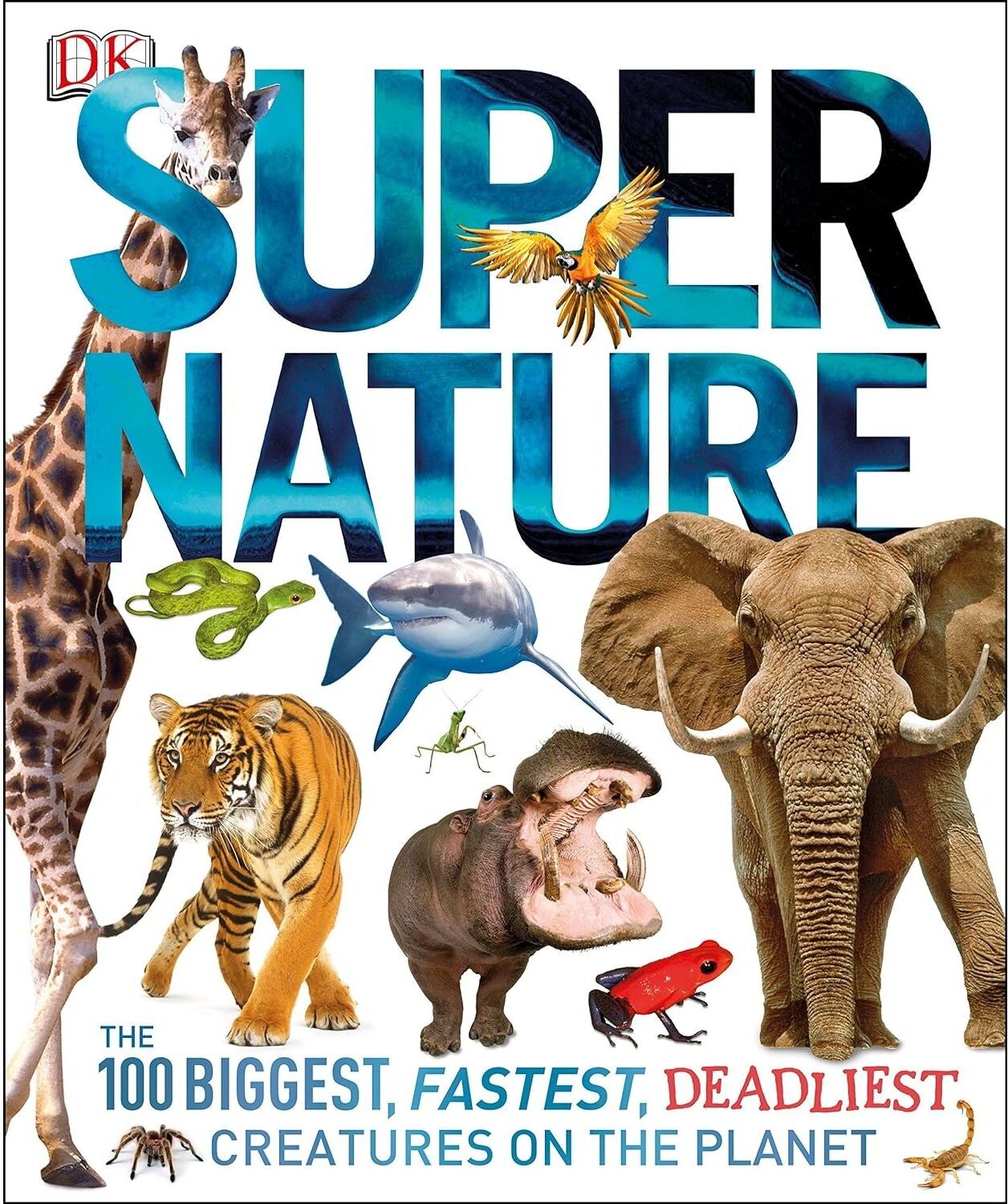
DK Super Nature: The 100 Biggest, Fastest, Deadliest Creatures on the PlanetFrom natural disasters to spectacular waterfalls, see our spectacular planet's most amazing natural wonders in this exciting visual guide about Earth. Discover the remarkable power of the world around us with SuperEarth. Take a journey through colourful coral reefs, see the drama of a volcanic eruption, and discover castle-like ice caves in this thrilling guide packed with incredible facts and stats. SuperEarth reveals the wonders of our world as you've never seen them before - looking down from above, deep underground, and from the middle of a raging thunderstorm. With amazing CGI artworks taking you closer than ever before to Mount Etna, the Great Blue Hole, a hurricane, and many more, you'll see the world in a different light. Each natural wonder is profiled with stunning photography or a special CGI artwork, and includes clear descriptions of the wonder and the science behind its formation. A quick-reference box within each profile highlights need-to-know stats and info. This is a perfect guide for school projects or those wanting to know more about our fascinating planet.8,95 £*Shipping: 2,99 £Secure redirect to the provider
-
Lonely Planet Rome (Travel Guide) by Duncan Garwood, Alexis Averbuck, Virginia MaxwellLonely Planet's Rome is your passport to the most relevant, up-to-date advice on what to see and skip, and what hidden discoveries await you. Gaze at some of Rome's most spectacular works of art at the Museo e Galleria Borghese, experience the awe-inspiring amphitheatre that is the Colosseum, and walk one of the world's oldest roads: the Appian Way - all with your trusted travel companion. Get to the heart of Rome and begin your journey now!10,45 £*Shipping: 2,99 £Secure redirect to the provider


-
Planet size
Planet size refers to the physical dimensions of a planet, including its diameter, circumference, and volume. The size of a planet can vary greatly, with some planets being relatively small, like Mercury, and others being much larger, like Jupiter. The size of a planet can have significant implications for its composition, gravity, and ability to support life. Understanding the size of planets is important for studying their formation, evolution, and potential habitability. **
-
Planet or not?
Pluto is classified as a dwarf planet by the International Astronomical Union (IAU) due to its size, orbit, and inability to clear its orbit of other debris. While it was previously considered the ninth planet in our solar system, its reclassification in 2006 sparked debate among astronomers and the public. Despite this controversy, Pluto remains an intriguing object in our solar system, with ongoing research and exploration shedding light on its unique characteristics. **
-
Could humans start anew on a new planet?
Humans could potentially start anew on a new planet, but it would require significant planning, resources, and technology. Establishing a sustainable colony on a different planet would involve overcoming numerous challenges such as creating a habitable environment, ensuring a stable food and water supply, and addressing potential health risks. Additionally, the psychological impact of leaving Earth and adapting to a completely different ecosystem would also need to be considered. While it is theoretically possible for humans to start anew on a new planet, it would be a complex and daunting endeavor. **
-
Why is the planet Pluto no longer considered a planet?
Pluto is no longer considered a planet because in 2006, the International Astronomical Union redefined the criteria for what constitutes a planet. According to the new definition, a celestial body must meet three criteria to be classified as a planet: it must orbit the sun, it must be spherical in shape, and it must have cleared its orbit of other debris. Pluto failed to meet the third criterion as it shares its orbit with other objects in the Kuiper Belt, leading to its reclassification as a dwarf planet. **


Is it possible to live on a new planet?
Yes, it is possible to live on a new planet, but it would require significant technological advancements and resources. Currently, there are ongoing efforts to explore the possibility of colonizing other planets, such as Mars. However, the challenges of living on a new planet are immense, including the need for sustainable sources of food, water, and energy, as well as protection from the harsh environmental conditions. While it may be possible in the future, it is not currently feasible for humans to live on a new planet. **
What is the difference between camera settings for landscape shots and portrait photos?
The main difference between camera settings for landscape shots and portrait photos is the aperture setting. For landscape shots, a smaller aperture (higher f-stop number) is typically used to achieve a larger depth of field and ensure that both the foreground and background are in focus. On the other hand, for portrait photos, a larger aperture (lower f-stop number) is often used to create a shallow depth of field, resulting in a blurred background that helps to emphasize the subject. Additionally, the focal length and composition may also vary between the two types of photography. **
Top-Angebote
Products related to Planet:
-
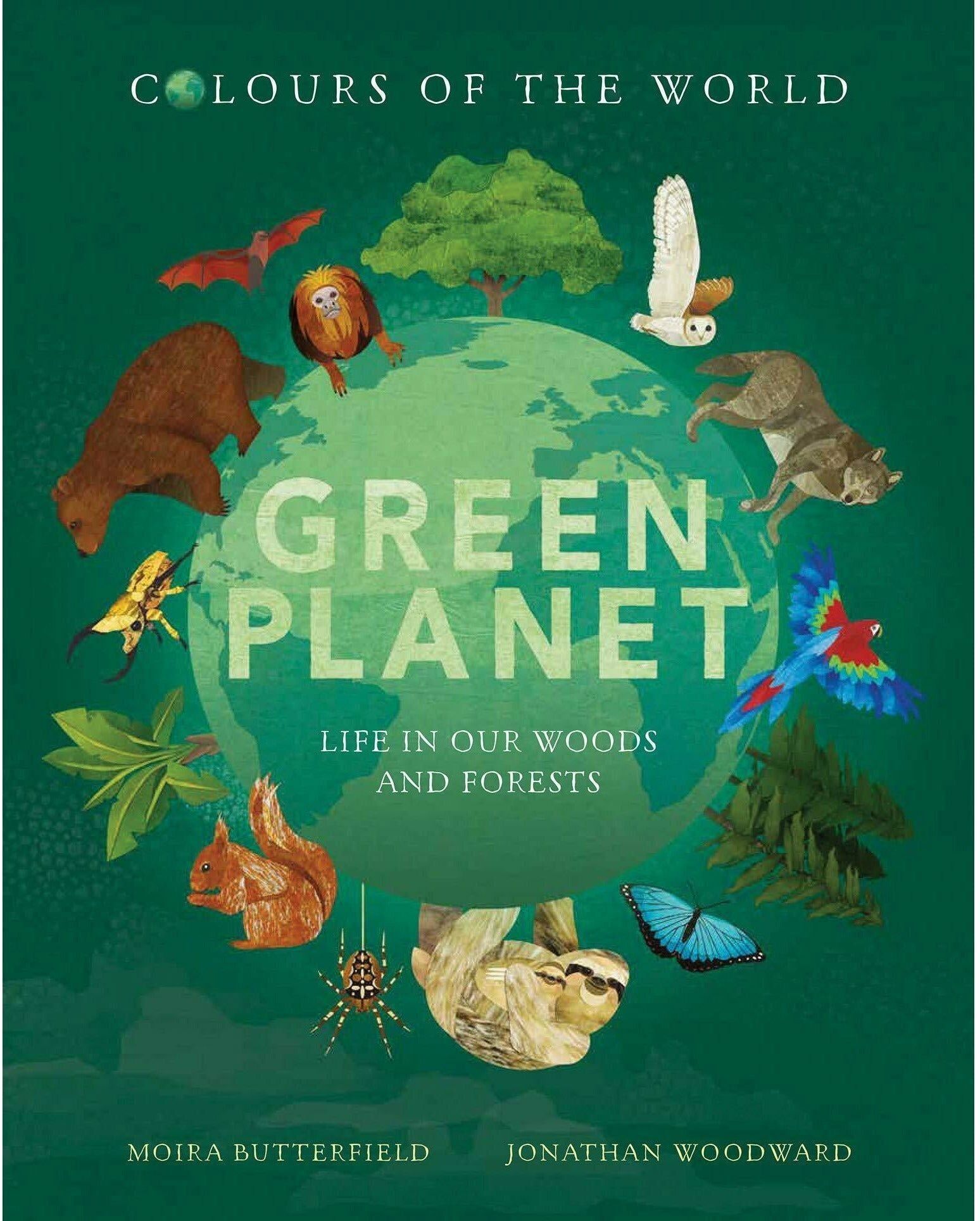
Little Tiger Press Planet Earth Series Collection 3 Books Box Set (Blue Planet, Green Planet, Red Planet)Blue Planet Every creature in the ocean – from the tiny snail to the enormous blue whale – depends on water for survival. This beautifully illustrated book introduces children to the animals that live in the world’s waters. Green Planet Every creature in the forest – from the tiny beetle to the giant bear – depends on trees for survival. This wonderful introduction to the natural world is full of facts about animals and wildlife in the forests of the globe. Red Planet This engaging book introduces children to some of the most resilient and adaptable animals that live in the hottest places around the world--in deserts, near volcanoes, close to hot springs, and even near underwater volcanoes and geysers.9,99 £*Shipping: 2,99 £Secure redirect to the provider
-
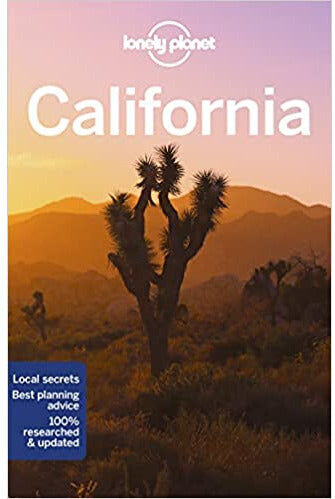
Lonely Planet California Travel Guide – Ultimate California Travel CollectionLonely Planet's California is your passport to the most relevant, up-to-date advice on what to see and skip, and what hidden discoveries await you. Paddle in the Pacific, trek through desert oases, and watch fog tumble over the Golden Gate Bridge; all with your trusted travel companion. Get to the heart of California and begin your journey now!11,99 £*Shipping: 2,99 £Secure redirect to the provider
-
Lonely Planet Turkey Travel Guide – Istanbul, Top Attractions & Travel CollectionLonely Planet Turkey is your passport to the most relevant, up-to-date advice on what to see and skip, and what hidden discoveries await you. Bath in a hammam; explore chaotic and colourful bazaars; or hot air balloon over Cappadocia's honeycomb landscape -all with your trusted travel companion. Get to the heart of Turkey and begin your journey now12,45 £*Shipping: 2,99 £Secure redirect to the provider
-
Lonely Planet USA (Travel Guide) by Isabel Albiston, Mark BakerLonely Planet's USA is your passport to the most relevant, up-to-date advice on what to see and skip, and what hidden discoveries await you. Gaze into the mile-deep chasm of the Grand Canyon, hang ten on an iconic Hawaiian wave, and let sultry southern music and food stir your soul - all with your trusted travel companion. Get to the heart of the USA and begin your journey now! Inside Lonely Planet's USA: NEW pull-out, passport-size 'Just Landed' card with Wi-Fi, ATM and transportation info - all you need for a smooth journey from airport to hotel Colour maps and images throughout Highlightsand itineraries help you tailor your trip to your personal needs and interests Insider tips to save time and money and get around like a local, avoiding crowds and trouble spots Essential infoat your fingertips - hours of operation, phone numbers, websites, transit tips, prices Honest reviews for all budgets - eating, sleeping, sightseeing, going out, shopping, hidden gems that most guidebooks miss Cultural insights give you a richer, more rewarding travel experience - history, people, music, landscapes, wildlife, cuisine, politics13,49 £*Shipping: 2,99 £Secure redirect to the provider
-
Does this planet belong to humans or to nature?
The concept of ownership is subjective and varies depending on cultural, philosophical, and ethical perspectives. From a human-centric viewpoint, it may be argued that the planet belongs to humans as we have the ability to shape and manipulate the environment to suit our needs. However, from an ecological perspective, the planet belongs to nature as it is the source of all life and sustains the delicate balance of ecosystems. Ultimately, the planet is a shared space that humans and nature coexist within, and it is our responsibility to act as stewards of the environment to ensure its health and sustainability for future generations. **
-
How can you convert photos from portrait to landscape orientation?
To convert photos from portrait to landscape orientation, you can use photo editing software such as Adobe Photoshop or GIMP. Open the photo in the software, then use the cropping tool to adjust the dimensions to a landscape orientation. You may need to crop out some parts of the original photo to fit the new orientation. Once you are satisfied with the new dimensions, save the photo in the landscape orientation. **
-
Planet size
Planet size refers to the physical dimensions of a planet, including its diameter, circumference, and volume. The size of a planet can vary greatly, with some planets being relatively small, like Mercury, and others being much larger, like Jupiter. The size of a planet can have significant implications for its composition, gravity, and ability to support life. Understanding the size of planets is important for studying their formation, evolution, and potential habitability. **
-
Planet or not?
Pluto is classified as a dwarf planet by the International Astronomical Union (IAU) due to its size, orbit, and inability to clear its orbit of other debris. While it was previously considered the ninth planet in our solar system, its reclassification in 2006 sparked debate among astronomers and the public. Despite this controversy, Pluto remains an intriguing object in our solar system, with ongoing research and exploration shedding light on its unique characteristics. **
Similar search terms for Planet
-
DK Super Nature: The 100 Biggest, Fastest, Deadliest Creatures on the PlanetFrom natural disasters to spectacular waterfalls, see our spectacular planet's most amazing natural wonders in this exciting visual guide about Earth. Discover the remarkable power of the world around us with SuperEarth. Take a journey through colourful coral reefs, see the drama of a volcanic eruption, and discover castle-like ice caves in this thrilling guide packed with incredible facts and stats. SuperEarth reveals the wonders of our world as you've never seen them before - looking down from above, deep underground, and from the middle of a raging thunderstorm. With amazing CGI artworks taking you closer than ever before to Mount Etna, the Great Blue Hole, a hurricane, and many more, you'll see the world in a different light. Each natural wonder is profiled with stunning photography or a special CGI artwork, and includes clear descriptions of the wonder and the science behind its formation. A quick-reference box within each profile highlights need-to-know stats and info. This is a perfect guide for school projects or those wanting to know more about our fascinating planet.8,95 £*Shipping: 2,99 £Secure redirect to the provider
-
Lonely Planet Rome (Travel Guide) by Duncan Garwood, Alexis Averbuck, Virginia MaxwellLonely Planet's Rome is your passport to the most relevant, up-to-date advice on what to see and skip, and what hidden discoveries await you. Gaze at some of Rome's most spectacular works of art at the Museo e Galleria Borghese, experience the awe-inspiring amphitheatre that is the Colosseum, and walk one of the world's oldest roads: the Appian Way - all with your trusted travel companion. Get to the heart of Rome and begin your journey now!10,45 £*Shipping: 2,99 £Secure redirect to the provider
-
Could humans start anew on a new planet?
Humans could potentially start anew on a new planet, but it would require significant planning, resources, and technology. Establishing a sustainable colony on a different planet would involve overcoming numerous challenges such as creating a habitable environment, ensuring a stable food and water supply, and addressing potential health risks. Additionally, the psychological impact of leaving Earth and adapting to a completely different ecosystem would also need to be considered. While it is theoretically possible for humans to start anew on a new planet, it would be a complex and daunting endeavor. **
-
Why is the planet Pluto no longer considered a planet?
Pluto is no longer considered a planet because in 2006, the International Astronomical Union redefined the criteria for what constitutes a planet. According to the new definition, a celestial body must meet three criteria to be classified as a planet: it must orbit the sun, it must be spherical in shape, and it must have cleared its orbit of other debris. Pluto failed to meet the third criterion as it shares its orbit with other objects in the Kuiper Belt, leading to its reclassification as a dwarf planet. **
-
Is it possible to live on a new planet?
Yes, it is possible to live on a new planet, but it would require significant technological advancements and resources. Currently, there are ongoing efforts to explore the possibility of colonizing other planets, such as Mars. However, the challenges of living on a new planet are immense, including the need for sustainable sources of food, water, and energy, as well as protection from the harsh environmental conditions. While it may be possible in the future, it is not currently feasible for humans to live on a new planet. **
-
What is the difference between camera settings for landscape shots and portrait photos?
The main difference between camera settings for landscape shots and portrait photos is the aperture setting. For landscape shots, a smaller aperture (higher f-stop number) is typically used to achieve a larger depth of field and ensure that both the foreground and background are in focus. On the other hand, for portrait photos, a larger aperture (lower f-stop number) is often used to create a shallow depth of field, resulting in a blurred background that helps to emphasize the subject. Additionally, the focal length and composition may also vary between the two types of photography. **
* All prices are inclusive of VAT and, if applicable, plus shipping costs. The offer information is based on the details provided by the respective shop and is updated through automated processes. Real-time updates do not occur, so deviations can occur in individual cases. ** Note: Parts of this content were created by AI.